Ten Trends Shaping Micromobility in 2025 and Beyond
Industry article
At LISA Solutions, we build asset and fleet management software that helps micromobility operators scale efficiently and sustainably. As cities prioritize greener transport and smarter mobility, several trends are shaping the sector in 2025 and beyond.
1. Shared bikes lead the way. Bicycles are overtaking e-scooters in popularity, helped by their safety, affordability, and growing city-backed infrastructure.
2. Smarter, longer-lasting batteries. Newer lithium-ion technology is extending e-bike and e-scooter range by around 25%, reducing downtime and improving efficiency for operators and riders.
3. AI-powered fleet management. AI-driven platforms optimize vehicle deployment, predict maintenance needs, and improve reliability, cutting costs and increasing availability.
4. Pro-micromobility city policy. A majority of developed cities now support micromobility through dedicated lanes, parking zones, and incentives, strengthening it as an alternative to cars.
5. Subscription models on the rise. Flat-rate monthly and annual plans make micromobility more affordable and accessible, encouraging riders to replace short car trips.
6. Safety takes center stage. Better braking systems, GPS tracking, and app-based helmet access are all improving rider confidence and adoption.
7. More connected vehicles. Riders increasingly expect real-time navigation, live diagnostics, and ride and emissions tracking, enabling better experiences and data-driven operations.
8. Industry consolidation and growth. Larger operators are acquiring smaller ones to scale, improve profitability, and standardize services, creating a more stable network.
9. Sustainability and carbon-reduction goals. Cities and operators are pushing toward fully electric fleets in line with climate targets, as riders demand greener options.
10. The road to 2035. With a projected 540 million-plus micromobility trips annually in the U.S. by 2035, the years ahead point toward autonomous vehicles, deeper public-transport integration, and more personalized mobility.
The direction is clear: mobility is becoming more sustainable, connected, and data-driven, and intelligent fleet management will be central to operating it well.
January 30, 2025
Related articles
Press Release
LISA Solutions Enters Africa as ECO LANE Selects LISA for its Bike Sharing Operations in Nigeria
LISA Solutions is entering the African market as Nigerian bike sharing company ECO LANE selects the LISA fleet management platform for its electric bicycle operations in Lagos.
The collaboration marks an important step in LISA’s international growth and brings the company’s fleet management technology to Africa for the first time.
ECO LANE will use LISA as the software platform for managing its fleet and supporting its operations as the company develops and grows its bike sharing service.
Starting in Lagos
ECO LANE is starting its operations in Lagos, one of Africa’s largest urban markets.
The company is building an electric bike sharing service with the ambition to make urban transportation more accessible and sustainable. Technology and fleet data will play an important role in how ECO LANE manages the operation and develops the service as it grows.
Ibrahim Hammed Olalekan, Director at ECO LANE, commented:
“At ECO LANE, our goal is to build a reliable, accessible and technology-driven mobility fleet that makes urban transportation more convenient and sustainable for our customers. We are focused on creating a scalable fleet operation supported by the right technology, data and operational infrastructure to deliver a seamless experience for riders.
We see our collaboration with LISA as an important part of this vision. LISA’s platform provides the technology backbone we need to manage and scale our fleet efficiently, while giving us the flexibility to develop a mobility solution suited to the realities of the Nigerian market. So far, we have found the collaboration constructive and solution-oriented, and we look forward to building a long-term partnership as ECO LANE grows.”
Ibrahim Hammed Olalekan Director, ECO LANE
Supporting Operators in Emerging Markets
For LISA, the collaboration is about more than entering a new country. Africa and other emerging markets are an important part of the company’s international strategy.
Many cities in these markets are growing quickly, while local operators are building new mobility services around the needs of their own cities and communities. LISA wants to give these operators access to flexible fleet technology that can support them from launch through growth.
Alexander Mythe, CEO of LISA Solutions, said:
“Entering the African market is an important milestone for LISA. From the beginning, our ambition has been to build a fleet management platform that can support operators across very different markets, and ECO LANE is a strong example of that.
Africa and other emerging markets are particularly important to us. These are markets where cities are growing rapidly and where new mobility operators have the opportunity to build modern, technology driven operations from the ground up. We believe LISA can play an important role by giving these operators access to the same flexible and scalable fleet technology as operators in more established markets.
We are thrilled to start this collaboration with ECO LANE. Ibrahim and his team have a clear ambition for how bike sharing can contribute to more accessible and sustainable urban mobility in Nigeria, combined with a strong understanding of what it takes to build an operation for the local market. That combination of ambition, local knowledge and willingness to innovate is exactly what we look for in a partner.
Starting this journey in Lagos makes it even more exciting. We are entering one of Africa’s largest urban markets together with an ambitious local operator, and we see significant potential in what ECO LANE is building. We look forward to supporting Ibrahim and the ECO LANE team as they launch, develop and scale their operations in Lagos and beyond.”
Alexander Mythe CEO, LISA Solutions
Technology for a Growing Operation
LISA provides the software ECO LANE will use to manage its vehicles and day to day fleet operations.
The platform brings fleet management into one operating environment and can connect with different vehicles and IoT hardware. This gives ECO LANE the flexibility to build an operational setup suited to its requirements in Nigeria while using the same core LISA technology deployed in other international markets.
As the operation grows, the platform can support ECO LANE in managing a larger fleet without having to replace the underlying software infrastructure.
Expanding LISA’s Global Footprint
LISA has grown from its Nordic origins to work with customers and partners across Europe, the United States, Oceania and the Caribbean.
ECO LANE now extends that footprint into Africa.
For LISA, Nigeria represents both a new market and the beginning of a broader ambition to work with mobility operators in emerging markets. The focus with ECO LANE is now on building a successful operation in Lagos and developing the partnership as the company grows.
About ECO LANE
ECO LANE is a Nigerian bike sharing company developing an electric bicycle service in Lagos. The company is focused on building accessible and sustainable urban mobility supported by technology, data and efficient fleet operations.
About LISA Solutions
LISA Solutions is a Norwegian software company providing fleet management and operational intelligence software for modern fleet operators.
The LISA platform connects vehicles, operators, IoT devices and business systems in one operating environment, helping organizations manage and scale fleet operations across different vehicle types, business models and markets.
September 4, 2026
Partnership
LISA Solutions and NAVEE Partner to Accelerate Shared Mobility Worldwide
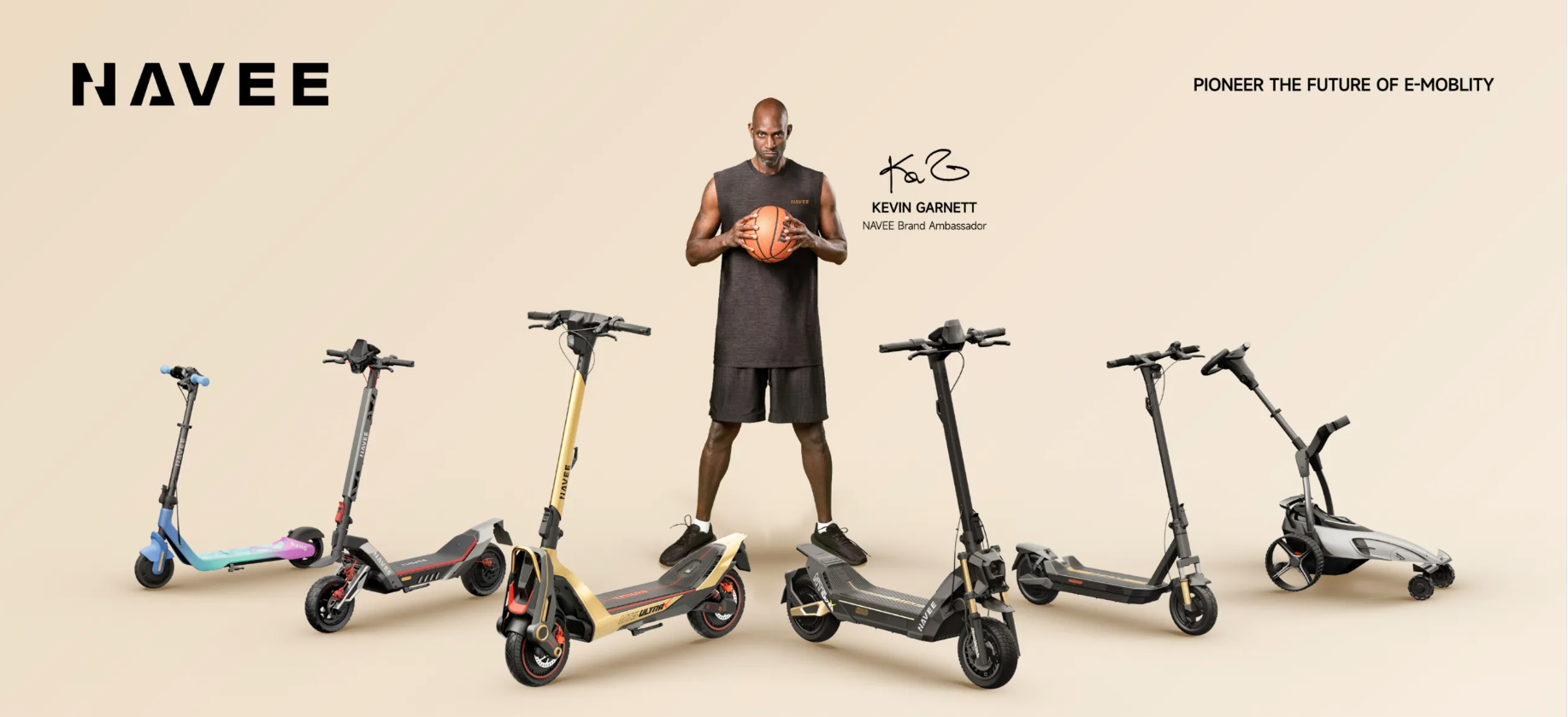
LISA Solutions has entered into a strategic partnership with NAVEE, a global micromobility manufacturer with a strong position in the electric scooter market. The partnership brings together NAVEE's scooter hardware and international commercial network with LISA's fleet management software, creating new opportunities for shared mobility operators across global markets.
Combining scooter hardware and fleet management software
NAVEE has built a broad international presence in electric mobility, with a strong portfolio of electric scooters and a dedicated commercial offering for shared mobility operators.
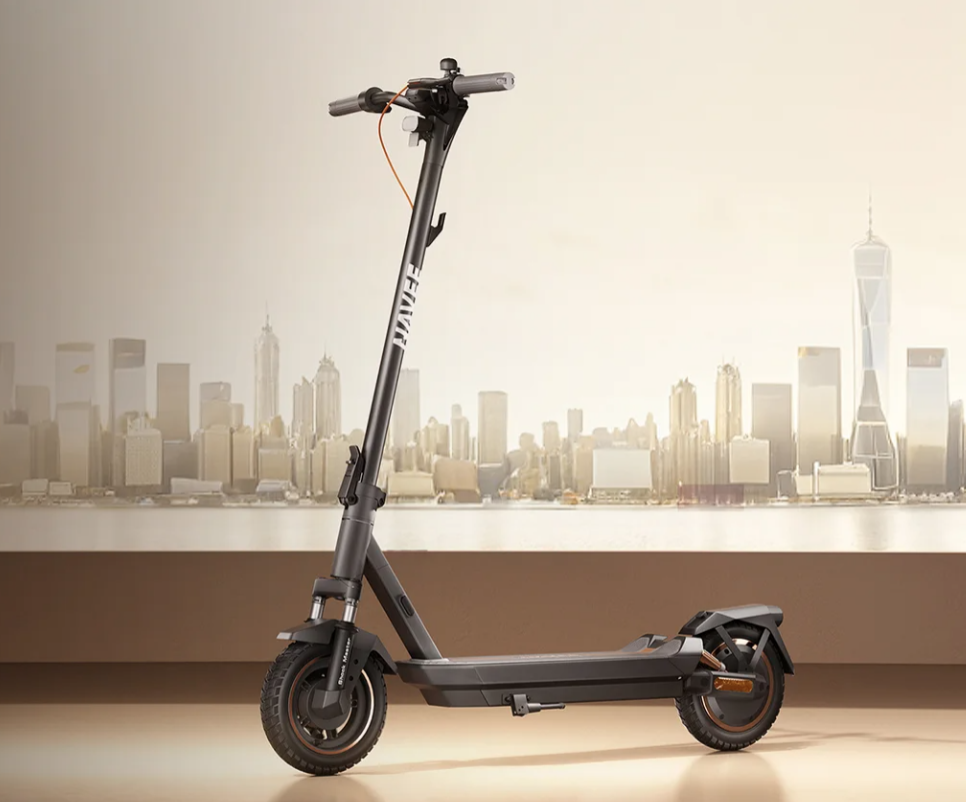
Its commercial portfolio includes scooters designed for shared mobility, supported by an expanding international sales and service network.
Through the partnership, LISA will provide its fleet management software for relevant joint customer opportunities. The LISA platform gives shared mobility operators one environment for managing vehicles, users and day-to-day fleet operations, while connecting directly with vehicle hardware and IoT systems.
For LISA, the partnership significantly strengthens its position in the global scooter market and creates a new route to market through an established international hardware partner.
Already working on opportunities together
The partnership has already moved beyond the agreement itself. LISA and NAVEE are currently working together on several commercial opportunities across different markets, combining NAVEE scooters with the LISA fleet management platform.
The companies will work together on opportunities where shared mobility operators require both scooter hardware and the software needed to manage and operate their fleets.
Alexander Mythe CEO, LISA Solutions
“NAVEE gives LISA something strategically important: a strong global hardware partner with particular strength in the scooter market. Combined with our fleet management platform, we can offer shared mobility operators a much more complete solution. What makes this partnership especially exciting is that we are already working together on several real customer opportunities across different markets.”
A strong foundation for a long-term partnership
NAVEE sees significant potential in combining the companies' respective strengths and developing the partnership as new opportunities emerge.
Jackson Qin Sales Director Europe, NAVEE
“We are impressed by LISA's professionalism, market insight and proactive approach to developing new opportunities. We believe there is strong potential for a long-term partnership, and we look forward to growing together and creating value for customers in the shared mobility industry.”
A stronger ecosystem for shared mobility operators
The partnership expands LISA's growing ecosystem of vehicle manufacturers, hardware providers and mobility partners and supports the company's strategy of making its fleet management technology available to operators across different vehicle types and markets.
For operators looking to launch or expand scooter fleets, the combination brings together NAVEE's scooter hardware with LISA's software for managing vehicles and day-to-day fleet operations.
The two companies are already pursuing joint opportunities and expect the partnership to develop further as new shared mobility projects emerge across international markets.